
Canadian winters put enormous pressure on homes and heating systems. While homeowners often blame rising utility bills or frequent furnace repair need
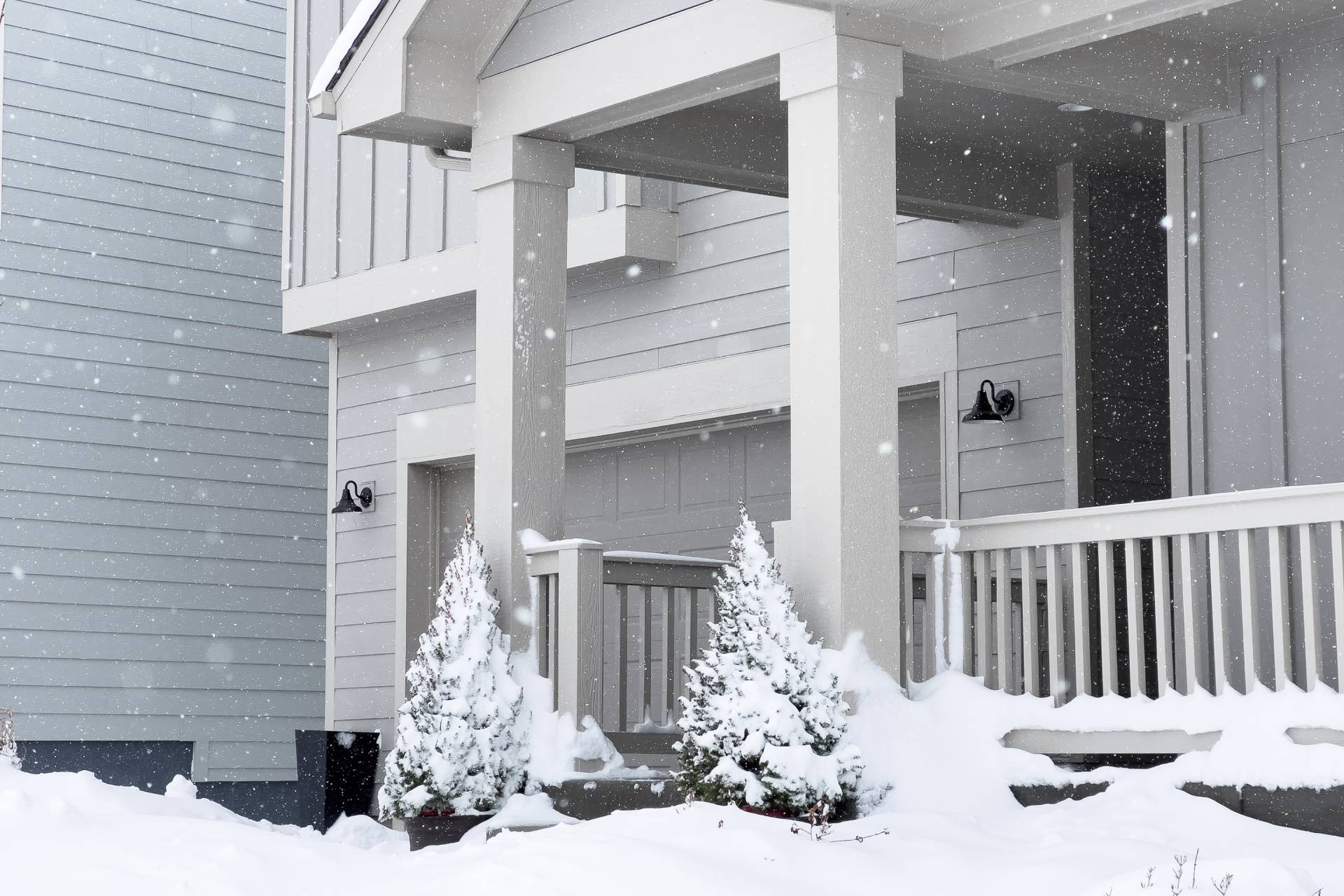
Canadian winters put enormous pressure on homes and heating systems. While homeowners often blame rising utility bills or frequent furnace repair needs on aging equipment, the real problem can start outside the walls. Worn or poorly insulated siding weakens the home’s thermal envelope, allowing cold air and moisture to sneak in and quietly sabotage furnace performance.
How Siding Protects the Home’s Thermal Envelope
Siding is more than an exterior finish; it plays a critical role in protecting insulation and maintaining consistent indoor temperatures. When siding is intact and properly installed, it helps block wind, moisture, and extreme cold. Over time, however, cracks, warping, and gaps can develop. These flaws allow cold air infiltration and moisture penetration, especially during long Canadian winters marked by freeze-thaw cycles. Once the envelope is compromised, heat escapes faster than the furnace can comfortably replace it.
Winter Drafts and Uneven Heating
One of the first signs of failing siding is persistent winter drafts. Cold air entering through exterior walls creates noticeable cold spots near floors and windows. To compensate, the furnace runs longer and more frequently, trying to satisfy the thermostat even though heat is constantly leaking out. This uneven heating forces the system to operate outside its ideal efficiency range, increasing fuel consumption and accelerating wear on critical components like blowers, igniters, and heat exchangers.
Thermal Bridging and Hidden Heat Loss
Thermal bridging occurs when cold transfers through framing, fasteners, or poorly insulated sections of the wall assembly. Damaged or thin siding makes this problem worse by exposing structural elements directly to outdoor temperatures. In extreme cold, these bridges become highways for heat loss. The furnace responds by cycling more aggressively, turning on and off in shorter bursts. This rapid cycling increases mechanical stress, reduces overall efficiency, and shortens the lifespan of the unit.
Moisture Intrusion and Ice Buildup
Moisture is another major threat introduced by deteriorating siding. Snow melt and wind-driven rain can seep behind panels and reach insulation or sheathing. When temperatures drop, trapped moisture freezes and expands, widening gaps and worsening air leaks. Ice buildup inside wall cavities further degrades insulation performance. Inside the home, higher humidity from moisture intrusion can force the furnace to work harder to maintain comfort, compounding strain on the system.
How Extra Work Leads to Furnace Failure
A furnace is designed to operate within a specific temperature and runtime range. When siding problems allow constant heat loss, the furnace is pushed beyond those limits. Longer runtimes mean higher operating temperatures and more stress on motors and controls. Aggressive cycling increases electrical wear and raises the risk of breakdowns during the coldest months. Over time, what begins as a siding issue often ends with repeated furnace repair calls and, eventually, premature system replacement.
The Cost of Ignoring Exterior Issues
Homeowners often focus on repairing the furnace itself without addressing the underlying cause. While furnace repair can restore heat temporarily, it does not fix the drafts, cold spots, and moisture problems created by failing siding. As a result, energy bills continue to climb, comfort remains inconsistent, and repair costs add up. In Canadian climates, where heating systems run for much of the year, these avoidable expenses can be substantial.
Why Siding Matters in Canadian Winters
Canada’s long, cold winters amplify the impact of exterior deficiencies. Wind chill, heavy snowfall, and repeated freeze-thaw cycles accelerate siding deterioration and magnify heat loss. Homes with outdated or damaged siding are far more likely to experience furnace strain, ice-related wall damage, and escalating heating costs. Maintaining a strong exterior envelope is not just about curb appeal; it is essential for protecting mechanical systems inside the home.
Preventive Steps for Homeowners
Regular exterior inspections can reveal early signs of siding failure, including loose panels, cracked seams, or moisture staining. Improving insulation, sealing penetrations, and replacing damaged siding materials help stabilize indoor temperatures and reduce furnace workload. These preventive measures are often far less expensive than emergency heating repairs and can significantly improve comfort, efficiency, and system reliability throughout the winter season.
Drafts, ice, and cold spots are not just comfort issues—they are warning signs. Worn-out siding allows cold air and moisture to infiltrate the home, forcing the furnace to work harder, cycle more aggressively, and fail sooner than it should. By addressing siding problems early, homeowners can reduce energy bills, minimize furnace repair needs, and extend the life of their heating system through even the harshest Canadian winters.
