
As winter fades and April’s thaw arrives, many people notice their eyes becoming red, watery, or irritated. With record-high pollen counts in recent s
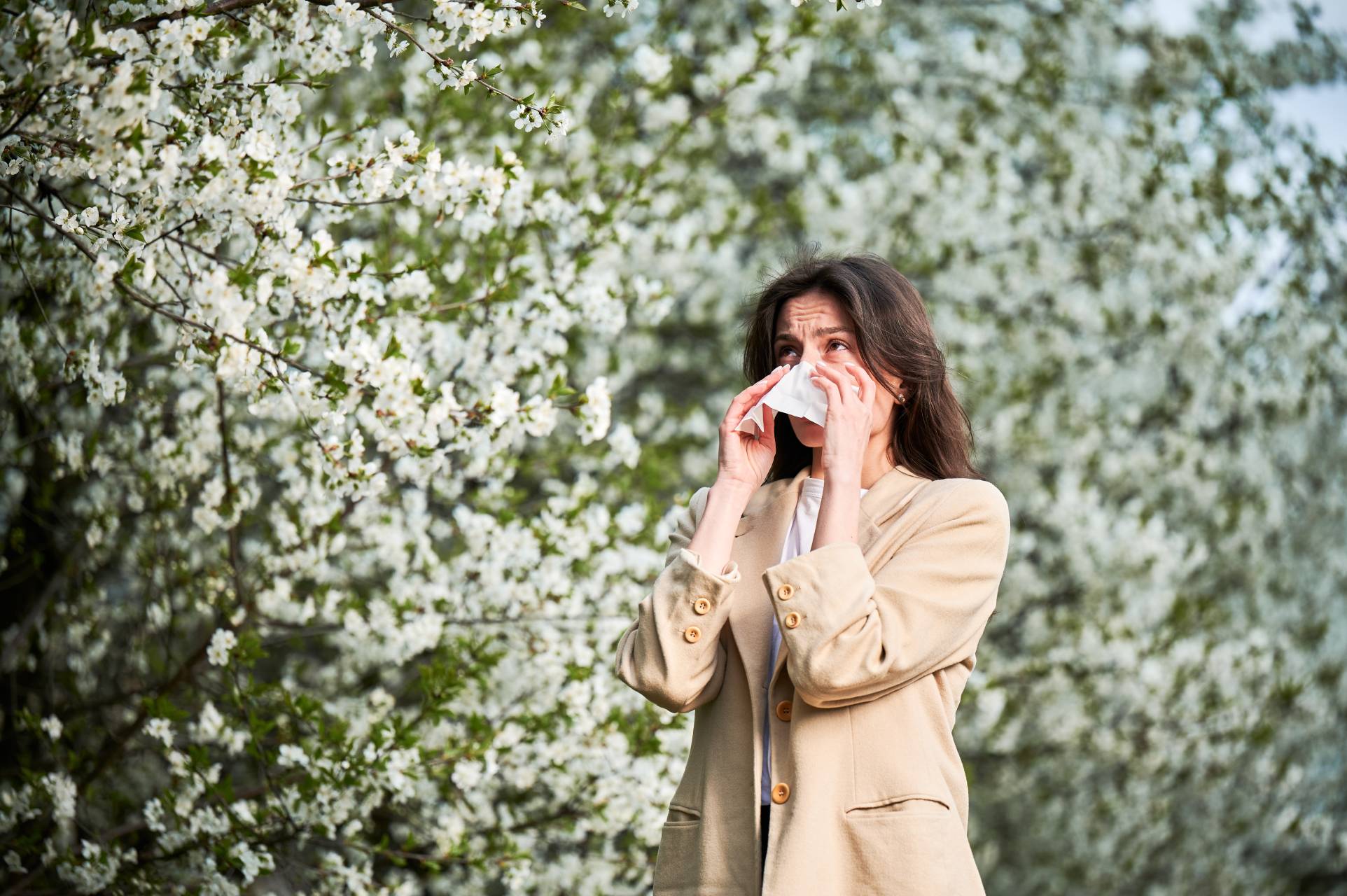
As winter fades and April’s thaw arrives, many people notice their eyes becoming red, watery, or irritated. With record-high pollen counts in recent seasons and common viral illnesses still circulating, it can be difficult to tell what’s behind these symptoms. Are your eyes reacting to spring allergens, or is it something like viral conjunctivitis?
While the symptoms can overlap, paying attention to a few key “clues” can help you better understand what might be going on—and whether it’s time to consider an eye exam or a visit with your family doctor.
Why Spring Brings Eye Irritation
Spring introduces a surge of airborne particles such as tree pollen, grass, and mold spores. Windy conditions can carry these irritants directly into the eyes, triggering sensitivity and inflammation in some individuals.
At the same time, viral infections that affect the eyes—often linked to common cold viruses—can spread easily in shared environments. Because both allergens and viruses can cause redness and tearing, the distinction between them isn’t always obvious at first glance.
Allergy Clues: Itching and Both Eyes
One of the most recognizable features of allergy-related eye irritation is itching. Allergic responses tend to affect both eyes at the same time and may fluctuate depending on environmental exposure.
Common patterns include:
- Persistent itching
- Redness in both eyes
- Watery or stringy discharge
- Puffiness around the eyelids
- Symptoms that worsen outdoors or on breezy days
Eye symptoms tied to seasonal allergies often appear alongside sneezing, nasal congestion, or throat irritation. When the eyes are part of a broader pattern like this, it may point toward a systemic response rather than a localized issue.
Viral Conjunctivitis: Subtle but Distinct
Viral conjunctivitis, often referred to as “pink eye,” has a different pattern. It frequently starts in one eye and may spread to the other over time.
Typical features include:
- Redness that begins in one eye
- Watery discharge
- A gritty or burning sensation rather than itching
- Crusting on the eyelids, especially after sleep
- Association with cold-like symptoms
Unlike allergies, viral conjunctivitis can be contagious. This makes it more likely to appear in clusters—within households, schools, or workplaces.
The Overlooked Factor: Dry Eye in Spring
Dry eye can also play a role in spring discomfort. Changing temperatures, increased wind, and more time outdoors can disrupt the eye’s natural tear film.
This can lead to symptoms such as:
- Burning or stinging
- Fluctuating clarity of vision
- Light sensitivity
- A dry or “tired” feeling in the eyes
Dry eye can overlap with both allergies and viral irritation, adding another layer of complexity. In some cases, it may make existing symptoms feel more intense or persistent.
When Symptoms Extend Beyond the Eyes
In some situations, eye irritation is part of a broader seasonal pattern. When symptoms include nasal congestion, sneezing, or general allergy-related discomfort, it may reflect a wider response to environmental triggers.
For individuals experiencing recurring or disruptive seasonal symptoms, a family doctor may help assess the bigger picture and explore how eye concerns fit into overall health patterns.
When Closer Observation of the Eyes Matters
Certain symptoms may suggest that a more focused look at the eyes themselves could be useful. These include:
- Persistent or worsening redness
- Pain rather than mild irritation
- Sensitivity to light
- Changes in vision
- Symptoms that begin in one eye and evolve
In these cases, an eye exam provides a way to closely observe the eye’s surface, including the cornea, and to better understand what might be contributing to the discomfort.
Finding the “Clinical Clue”
Distinguishing between allergy and infection often comes down to noticing small but meaningful differences.
- Itching is more commonly linked to allergies
- Burning or grittiness may point toward viral irritation or dryness
- Both eyes affected at once often suggests an environmental trigger
- One eye first may indicate infection
- Symptoms tied to outdoor exposure can hint at pollen involvement
Timing, environment, and associated symptoms all play a role in forming a clearer picture.
Spring eye discomfort is common, but not always straightforward. With higher pollen levels and ongoing exposure to viral illnesses, similar symptoms can have different underlying causes.
By paying attention to patterns—how symptoms feel, when they appear, and whether they affect one or both eyes—it becomes easier to interpret what’s happening. Whether that leads to monitoring symptoms, arranging an eye exam, or connecting with a family doctor, understanding these seasonal “clues” can make the April thaw a little easier to navigate.
