
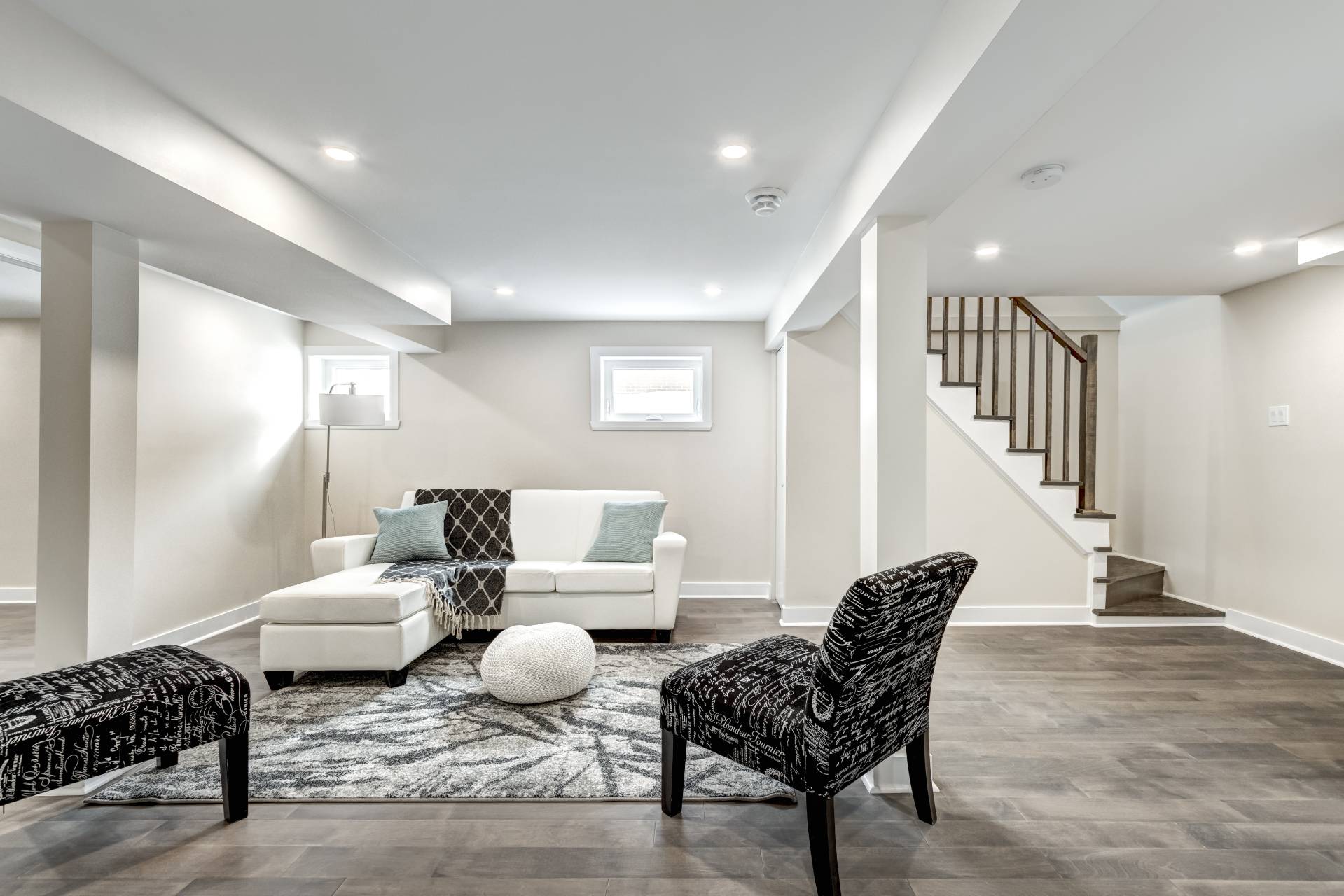
Basements have undergone a major shift in how they are perceived in today’s housing market. Once considered purely functional spaces, they are now exp
Basements have undergone a major shift in how they are perceived in today’s housing market. Once considered purely functional spaces, they are now expected to contribute meaningfully to a home’s livability and appeal. One of the most important factors driving this change is ceiling height. Taller basements, often achieved through basement underpinning, can dramatically influence how a property is valued and marketed.
The Perception Problem: Low Basements Feel Unusable
Low-ceiling basements are often viewed as dark, cramped, and limited in purpose. Even when finished, they tend to feel disconnected from the rest of the home. Buyers frequently associate these spaces with storage, laundry, or mechanical use rather than everyday living.
A real estate agent will typically recognize that this perception affects how buyers emotionally and financially value the space. When a basement feels restrictive, it is rarely seen as a true extension of the home. Instead, it becomes an afterthought—something that exists but does not significantly enhance the property’s appeal.
This perception gap is critical, as it influences both buyer interest and overall appraisal outcomes.
Basement Underpinning: Unlocking Hidden Potential
Basement underpinning changes the equation by physically lowering the basement floor to create additional ceiling height. This structural improvement transforms the space from something purely functional into something genuinely livable.
With higher ceilings, the basement begins to feel open, comfortable, and versatile. It can support a wide range of uses, including family living areas, guest accommodations, home offices, or recreational spaces. The improvement is not just cosmetic; it fundamentally alters how the space is experienced.
A basement that feels like part of the home naturally carries more weight in the eyes of buyers and appraisers.
From Storage to Livable Square Footage
The biggest shift that comes with a taller basement is its reclassification in the minds of buyers. Instead of being viewed as secondary or auxiliary space, it becomes part of the home’s usable living area.
This distinction is important because livable square footage is one of the primary drivers of property value. When a basement meets modern expectations for ceiling height, lighting, and comfort, it is far more likely to be considered alongside the main floors rather than set apart from them.
As a result, the overall perception of the home improves. Buyers are now purchasing a home with expanded living space.
The Impact of Matching Ceiling Heights
Consistency plays a powerful role in how a home is experienced. When the basement ceiling height closely matches that of the main floor, the transition between levels feels natural and cohesive.
This alignment eliminates the psychological barrier that often separates basements from the rest of the home. Instead of stepping down into a noticeably different environment, buyers experience a seamless extension of living space.
A real estate agent can use this feature as a strong selling point, highlighting the continuity throughout the home. Properties with uniform ceiling heights are often perceived as more modern, more functional, and more thoughtfully designed.
This consistency can elevate how the entire property is valued, as it reinforces the idea that every level of the home is equally usable.
Buyer Expectations in Today’s Market
Modern homebuyers have higher expectations than ever before. They are looking for spaces that are bright, open, and adaptable to their lifestyles. Taller basements meet these expectations by offering flexibility without compromise.
Whether used for work, relaxation, or hosting guests, a well-designed basement with adequate ceiling height becomes a valuable asset. It allows homeowners to make full use of their property without needing to expand outward or relocate.
In competitive markets, this added functionality can make a property stand out. Buyers are naturally drawn to homes that offer more usable space, especially when that space feels just as comfortable as the main living areas.
Long-Term Value and Market Appeal
Homes with taller basements tend to maintain stronger appeal over time. As buyer preferences continue to favor open and functional layouts, properties that already meet these criteria are better positioned in the market.
Basement underpinning is not just about immediate improvement—it is about future-proofing a home. By aligning the basement with modern standards, homeowners can ensure their property remains competitive and desirable.
Additionally, a well-executed basement transformation signals quality and attention to detail. It shows that the home has been thoughtfully upgraded, which can positively influence both buyer confidence and appraisal outcomes.
The ability to match ceiling heights and create a seamless flow throughout the home is particularly impactful. It elevates not only the basement itself but the overall impression of the property.
In today’s market, where functionality and livability are key, investing in a taller basement is a strategic move that can significantly enhance a home’s value and appeal.
