
Have you ever felt "butterflies" in your stomach before delivering a major presentation, or experienced an upset digestive system during a stressful w
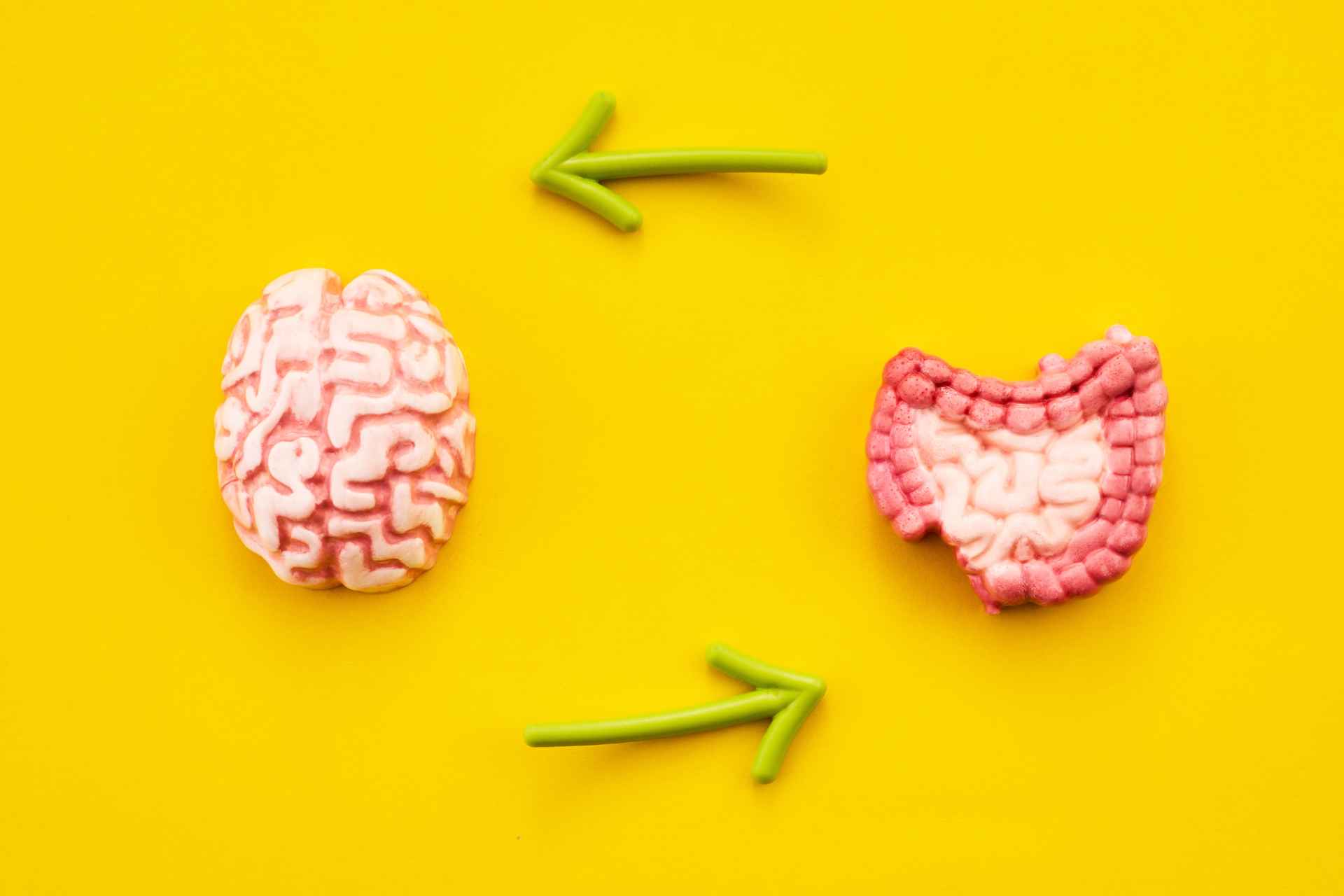
Have you ever felt “butterflies” in your stomach before delivering a major presentation, or experienced an upset digestive system during a stressful week at work? These familiar sensations are not imaginary. They are direct physical evidence of one of the most complex communication networks in the human body: the gut-brain axis. When booking an annual physical with your family doctor, the conversation usually focuses on blood pressure, heart health, and blood sugar levels. Similarly, scheduling a routine eye exam checks vision clarity and optical nerve pressure. Yet, modern medical science reveals that another silent engine profoundly influences your daily vitality: the trillions of microscopic organisms residing inside your digestive tract.
Your gut microbiome consists of bacteria, fungi, and viruses living primarily within your large intestine. Far from being passive passengers, these trillions of microbes actively produce chemical signals, train your immune system, and communicate continuously with your central nervous system. Understanding how your gut and brain interact empowers you to make targeted lifestyle choices that boost energy, sharpen mental clarity, and elevate your overall sense of wellbeing.
The Quick Edit
- The Second Brain: Your gut contains the enteric nervous system, featuring over 500 million neurons that communicate directly with your head via the vagus nerve.
- Neurotransmitter Production: Approximately 90% of your body’s serotonin—the key chemical regulating mood, sleep, and emotional stability—is synthesized in the gut.
- Immune System Hub: Over 70% of your body’s immune cells reside along the intestinal lining, guided by signals from a diverse microbiome.
The Biological Superhighway: How the Gut and Brain Talk
To understand how microscopic bacteria in your lower abdomen influence your thoughts and emotions, it helps to examine the physical pathways connecting your digestive tract to your brain.
This communication network, known as the gut-brain axis, operates like a high-speed data cable running in both directions.
The Vagus Nerve Express
The primary physical link between your brain and your digestive system is the vagus nerve. Running from the brainstem all the way down into the abdomen, the vagus nerve acts as a biological information superhighway.
Interestingly, about 80% of the signals travelling along the vagus nerve flow from the gut up to the brain, rather than the other way around. This means your gut microbiome constantly sends real-time status updates about your internal environment directly to your central nervous system.
The Enteric Nervous System
Embedded directly within the walls of your digestive tract is a vast web of nervous tissue. This is called the enteric nervous system. It comprises more than 500 million neurons. This complex system independently manages swallowing, enzyme release, and muscular contractions along your intestinal tract.
The enteric nervous system operates with high autonomy. It also uses the same neurotransmitters found in your brain. For these reasons, neuroscientists frequently refer to the gut as your body’s “second brain.”
Mood and Mental Health: The Microbial Neurofactory
We often think of neurotransmitters like serotonin and dopamine as chemicals produced strictly within the brain. However, your gut bacteria play a primary role in manufacturing these mood-regulating compounds.
- Serotonin and Emotional Stability: Roughly 90% of the body’s total serotonin is produced by specialized cells in the gut lining, supported by a healthy bacterial population. Serotonin regulates mood, anxiety, happiness, and sleep-wake cycles.
- GABA and Calming Signals: Specific beneficial bacterial strains, such as Lactobacillus and Bifidobacterium, produce gamma-aminobutyric acid (GABA). GABA is an inhibitory neurotransmitter that calms overactive nerve signals, helping reduce feelings of fear, stress, and anxiety.
- Short-Chain Fatty Acids: As gut bacteria ferment dietary fibre, they produce beneficial compounds called short-chain fatty acids, including butyrate, propionate, and acetate. Butyrate helps strengthen the blood-brain barrier, shielding brain tissue from systemic inflammation.
When stress, poor diet, or antibiotics disrupt the delicate balance of your gut microbiome—a condition known as dysbiosis—microbial chemical production drops. This imbalance can lead to systemic low-grade inflammation, contributing to brain fog, mood swings, fatigue, and heightened anxiety.
The Immune Guardian: Protecting Your Body from Within
Beyond influencing mood and focus, your gut microbiome serves as the primary command center for your immune system.
Approximately 70% to 80% of your body’s total immune cells are located within the gut-associated lymphoid tissue (GALT), situated just beneath the single-cell layer of your intestinal lining.
Your microbiome acts as a rigorous training instructor for these immune cells. Beneficial bacteria teach immune cells how to distinguish between harmless food particles and dangerous pathogens like viruses or harmful bacteria.
When your microbiome is rich and diverse, beneficial bacteria form a physical barrier along the gut lining. This barrier prevents toxins, undigested food particles, and harmful microbes from leaking into your bloodstream—a condition commonly referred to as increased intestinal permeability or “leaky gut.”
When the intestinal barrier remains strong, systemic inflammation stays low. Conversely, a compromised gut barrier triggers chronic immune responses, which have been linked to autoimmune conditions, chronic joint stiffness, skin flare-ups, and persistent fatigue.
Practical Habits to Nourish Your Gut Microbiome
Cultivating a healthy, diverse gut microbiome does not require complicated cleanses or restrictive diets. Instead, it relies on consistently feeding beneficial bacteria through varied, whole-food nutrition and mindful lifestyle choices.
You can support your gut-brain axis through several straightforward daily habits:
- Diversify Your Fibre Intake: Beneficial bacteria thrive on prebiotic fibres found in plant foods. Aim to eat 20 to 30 different plant-based foods each week, incorporating vegetables, fruits, legumes, nuts, seeds, and whole grains into your meals.
- Incorporate Fermented Foods: Introduce live, beneficial bacteria into your digestive tract by eating traditional fermented foods such as plain Greek yogurt, kefir, sauerkraut, kimchi, tempeh, and kombucha.
- Manage Chronic Stress: Chronic psychological stress alters the physical environment of your gut, reducing beneficial bacterial populations and increasing intestinal permeability. Practice daily stress management through deep breathing, walking in nature, or meditation.
- Prioritize Restorative Sleep: Your gut bacteria operate on their own circadian rhythms. Getting 7 to 8 hours of quality sleep each night helps maintain a balanced, diverse microbial population.
- Minimize Processed Sugars and Artificial Additives: Highly processed foods rich in refined sugars and artificial emulsifiers feed harmful bacterial strains, triggering gut inflammation and disrupting beneficial microbial colonies.
Listening to Your Gut
Your gut is far more than a simple processing organ for food. It is a dynamic, highly intelligent ecosystem. Every day, it actively shapes how you feel, think, and fight off illness.
Nourishing your microbiome requires diverse fibre, fermented foods, adequate rest, and stress reduction. These healthy choices directly support the intricate chemical bridge between your gut and brain. Ultimately, investing in your digestive health builds a resilient foundation for long-term emotional balance, strong immunity, and vibrant daily energy.
